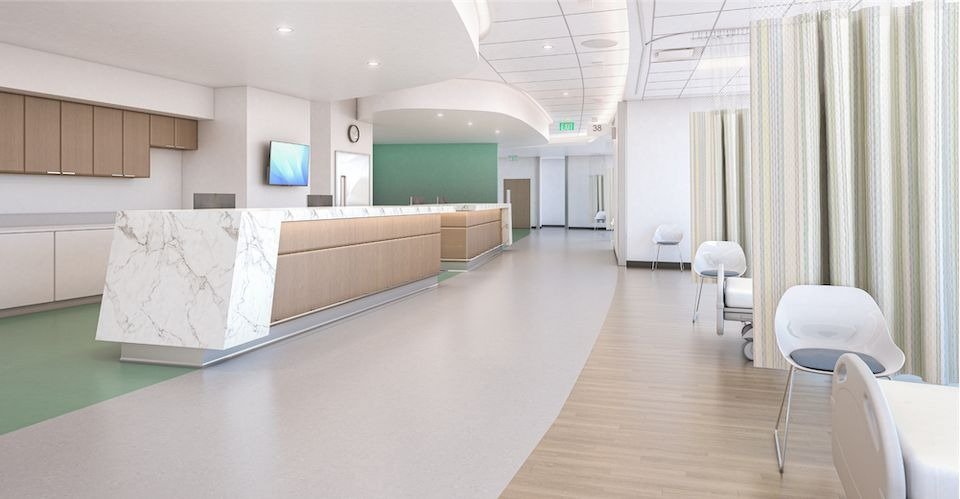
Transforming Healthcare Spaces The Art of Medical Fitouts
The healthcare industry is dynamic, constantly evolving to meet the needs of practitioners and patients alike. One of the crucial aspects of this evolution is the modernisation and optimisation of healthcare environments. Medical fitout services play a pivotal role in ensuring that medical facilities are both functional and comfortable, catering to the specific requirements of the medical professionals and their patients.
Understanding Medical Fitouts
Medical fitouts refer to the design and set-up of medical facilities to make them suitable for healthcare services. This involves a thorough understanding of the workflow within a medical practice, compliance with healthcare regulations, and creating a welcoming environment for patients. The process includes the installation of medical equipment, the configuration of treatment rooms, and the setup of waiting areas.
The Importance of Effective Design
Good design is at the heart of effective medical fitouts. It combines aesthetics with functionality, ensuring that the healthcare facility is not only visually appealing but also operationally efficient. Effective design accommodates the movement and needs of staff and patients, provides adequate space for equipment, ensures compliance with healthcare standards, and caters to various medical specialisations.
Compliance with Healthcare Standards
Medical fitouts must adhere to strict healthcare standards and regulations. This includes guidelines set by health authorities, construction standards, and safety protocols. Compliance ensures that the medical facility can operate legally and safely, protecting both practitioners and patients from health and legal risks.
Patient-Centred Environments
Creating a patient-centred environment is essential in any medical fitout. This involves understanding the patient journey from the moment they enter the facility to the time they leave. Factors such as privacy, comfort, accessibility, and aesthetics all play a role in enhancing the patient experience. A well-designed medical facility can significantly improve patient satisfaction and outcomes.
Efficiency and Workflow
The design of medical facilities directly impacts the efficiency of operations. A well-thought-out layout enhances workflow by reducing unnecessary movements and ensuring that everything needed is within easy reach. This not only improves productivity but also enhances the quality of care provided to patients.
Incorporating Technological Advances
The integration of the latest technology is an integral part of contemporary medical fitouts. This includes the installation of advanced medical equipment, integrating health information systems, and ensuring that the infrastructure supports technological innovations. By doing so, healthcare facilities can provide state-of-the-art care and improve operational efficiency.
Customisation for Specific Needs
Each medical practice has unique needs based on its specialty and patient demographics. Medical fitouts should be tailored to meet these specific requirements, whether it is a general practice, dental clinic, or specialised medical centre. Customised fitouts ensure that spaces are used efficiently and that healthcare providers can deliver the best possible care.
Sustainability in Medical Fitouts
With the growing emphasis on sustainability, environmentally friendly practices in medical fitouts are becoming increasingly important. This includes the use of sustainable materials, energy-efficient systems, and designs that support natural lighting and ventilation. Sustainable designs not only help the environment but also reduce operational costs.
Budgeting for Medical Fitouts
Budgeting is a critical component of the fitout process. It is essential to plan and allocate funds carefully, taking into consideration all aspects of the fitout from design and compliance to construction and technology integration. Working with experienced professionals can help ensure that the project stays within budget without compromising on quality.
Choosing the Right Fitout Partner
Selecting a reliable and experienced fitout provider is crucial for the success of a medical fitout project. A good fitout partner will have a proven track record, understand the intricacies of healthcare design, and be able to provide innovative solutions to meet the specific needs of the medical facility.
Project Management and Timelines
Effective project management ensures that a medical fitout project is completed on time and within scope. This includes careful planning, scheduling, and coordination among various stakeholders. Timely completion is particularly important to minimise disruptions to healthcare services.
Case Studies in Medical Fitouts
Examining successful case studies can provide valuable insights into the process and benefits of medical fitouts. These examples can demonstrate how creative design solutions and effective project management have transformed outdated facilities into modern, efficient healthcare environments.
The Future of Medical Fitouts
The evolution of medical fitouts is ongoing, driven by technological advancements, changes in healthcare delivery, and growing patient expectations. As the industry evolves, so will the approaches to designing and implementing medical facilities, ensuring that they remain at the forefront of healthcare innovation.
Conclusion
The transformation of healthcare spaces is a critical component in delivering high-quality medical care. Medical fitouts combine design, technology, and compliance to create functional and welcoming environments for healthcare professionals and patients. By focusing on patient needs, workflow efficiency, and sustainability, healthcare providers can enhance their service delivery and improve patient outcomes.
Disclaimer
The information provided in this article is for general informational purposes only and does not constitute professional, medical, legal, or construction advice. While every effort has been made to ensure the accuracy and relevance of the content, healthcare regulations, building standards, and medical fitout requirements may vary by location and are subject to change.
Readers are advised to consult qualified healthcare designers, fitout specialists, architects, engineers, and relevant regulatory authorities before making any decisions related to medical facility design, construction, or compliance. The author and publisher disclaim any liability for actions taken based on the information presented in this article.